
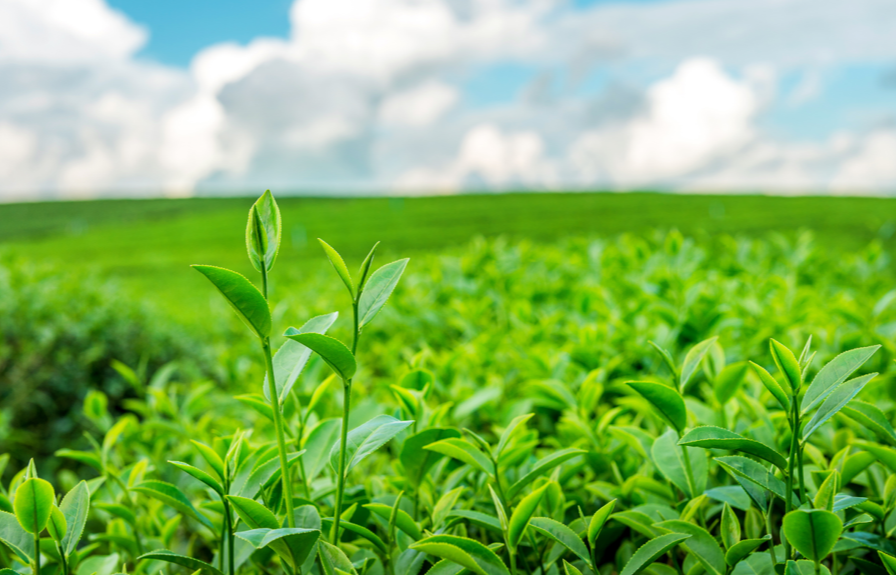
Tea is more than just a beverage in Kenya. From the misty highlands of Kericho, Nandi, Bomet and Nyeri to kitchen tables and workplaces across the country, tea occupies a special place in everyday Kenyan life.
A Legacy Rooted in the Highlands
Kenya's tea history began in 1903 when European settler G.W.L. Caine introduced the first Camellia sinensis plants from India to Limuru. The first commercial tea bushes, planted in Limuru's rich volcanic soils, flourished.
In 1924, large-scale commercial cultivation began under British companies such as Finlay and Brooke Bond. Colonial laws strictly prohibited Africans from growing tea, protecting British commercial monopolies and ensuring a supply of cheap labour.
During this period, Indian labourers who worked on the construction of the Uganda Railway introduced the practice of boiling tea with milk and spices, laying the foundation for Kenya's modern chai culture.
In 1954, the Swynnerton Plan introduced a significant policy shift by allowing Africans to cultivate cash crops. A decade later, in 1964, the government established the Kenya Tea Development Authority (KTDA), now the Kenya Tea Development Agency, to support indigenous smallholder farmers.
By the 1970s, Kenya had transitioned from a minor colonial supplier to a major player at the London Tea Auction, earning a reputation for its bright, brisk black tea. In 2011, purple tea was commercially launched, introducing a unique, anthocyanin-rich variety developed through research by the Tea Research Institute of Kenya.
Today, Kenya is one of the world's leading exporters of black tea. Its top ten export markets account for 81.5% of total export volume. Pakistan is the single largest buyer, accounting for 36% of Kenya's total tea export volume, followed by Egypt (13.9%), the United Kingdom (8.6%), the United Arab Emirates (5.0%), Russia (4.2%), Kazakhstan (3.7%), Iran (3.1%), Oman (2.7%), India (2.5%) and Poland (1.7%).
However, only 4% of Kenyan tea exports are value-added, while 96% is exported as bulk tea for blending by global brands. Kenya commands an 18.4% share of the global tea export market, solidifying its position as a leading exporter of black tea.
Industry Bodies Shaping Kenya's Tea Sector
Tea Board of Kenya (TBK)
The Tea Board of Kenya is the primary statutory regulator of the tea industry. It licenses tea dealers, processors and exporters; enforces quality standards for green leaf and made tea; administers tea regulations; and oversees the export registration process. The Board also plays a key role in implementing value-addition requirements for tea exporters.
Kenya Bureau of Standards (KEBS)
KEBS focuses on standards, quality assurance and certification. It enforces Kenyan standards relating to tea packaging, labelling and food safety, and issues compliance marks. Its role is particularly important in ensuring quality and consistency in value-added tea products.
Kenya Export Promotion and Branding Agency (KEPROBA)
KEPROBA promotes Kenyan exports and the Kenya brand in international markets. The Agency supports exporters through business-to-business matchmaking, participation in international trade exhibitions, market intelligence and export-readiness programmes. It also manages and promotes the Made in Kenya Mark, which helps identify and showcase products of Kenyan origin.
Kenya Revenue Authority (KRA)
KRA is responsible for customs, excise and tax compliance. It oversees export documentation, processes export declarations, manages applicable duties and works with relevant agencies on the collection of export-related levies.
Ministry of Agriculture and Livestock Development
The Ministry provides policy direction and oversight for the agricultural sector, including the tea industry.
East African Community (EAC)
The EAC facilitates regional trade and supports the movement of goods within the region, including tariff preferences for qualifying products traded among member states.
Tea and the Kenyan Way of Life
Tea is deeply woven into everyday life in Kenya. It is often the first drink served in the morning and remains a familiar and comforting presence throughout the day.
For many Kenyan families, sharing tea is a cherished tradition. Mornings often begin with a steaming cup of chai accompanied by bread, sweet potatoes, arrowroots, mandazi or chapati. Afternoon tea breaks offer moments for relaxation and conversation, while evening tea provides families with an opportunity to reconnect after a long day.
Tea as a Symbol of Hospitality
In Kenyan culture, offering tea to visitors is a sign of warmth, respect and hospitality. Whether welcoming guests at home, hosting a business meeting or attending a community gathering, tea is often served as a gesture of goodwill and friendship.
The phrase, “Let's have a cup of tea,” frequently extends beyond the drink itself. It represents an opportunity to connect, share stories and strengthen relationships.
Unlike many tea-drinking cultures that prefer plain black tea, Kenyans traditionally enjoy their tea mixed with milk and sugar, popularly known as chai.
Supporting Livelihoods and Communities
The tea industry supports hundreds of thousands of smallholder farmers and provides employment for millions of people across the value chain.
Beyond its economic contribution, tea farming has shaped the identity and culture of many communities, influencing local traditions, livelihoods and rural development. Generations of families have relied on tea cultivation, passing down farming knowledge and practices that contribute to the sustainability of the sector.
Preserving Kenya's Tea Heritage
As global demand for specialty and premium teas grows, Kenya continues to celebrate and preserve its tea heritage while embracing innovation.
Efforts to promote value addition, branding and sustainable production are helping Kenyan tea remain competitive in international markets. Through every cup, Kenyan tea tells a story of resilience and national pride. It is a symbol of the country's rich agricultural heritage and a testament to the dedication of the farmers who cultivate one of Kenya's most treasured exports.
The Rise of Specialty, Value-Added and Innovative Teas
Specialty teas are becoming an increasingly important part of Kenya's tea industry as global consumers seek premium and health-focused beverages.
Green tea is made from minimally processed tea leaves, helping preserve naturally occurring antioxidants and nutrients. It is popular among health-conscious consumers because of its association with wellness and healthy living.
Purple tea is a unique Kenyan specialty tea developed through research. It contains high levels of anthocyanins, naturally occurring compounds also found in berries such as blueberries. Its distinctive colour, flavour and potential health benefits have increased its appeal in premium international markets.
Orthodox tea is produced using traditional processing methods that preserve the whole tea leaf and enhance the complexity of its flavour. This makes it particularly attractive to consumers seeking distinctive and premium tea experiences.
More Than a Beverage
The culture of Kenyan tea extends far beyond the tea fields and export markets. It reflects the country's history, hospitality and resilience.
Tea connects families, strengthens communities and supports millions of livelihoods while serving as a proud ambassador for Kenya on the global stage. What began as a colonial cash crop has been reclaimed, transformed and made distinctly Kenyan.
Today, every cup carries more than tea. It carries a story of Kenyan farmers, communities, innovation and enterprise, from the highlands to the world.